Mahalaya
Join us for a grand celebration marking the auspicious dawn of Durga Puja, where tradition meets divine festivity.
Join us for a grand celebration marking the auspicious dawn of Durga Puja, where tradition meets divine festivity.
Durga Puja is a ten-day Hindu festival honoring Goddess Durga’s victory over the demon Mahishasura. It blends devotion, art, music, dance and community feasts across eastern India and beyond.
According to the Devi Mahatmya, Mahishasura could not be defeated by gods or mortals. The Trinity—Brahma, Vishnu & Shiva—merged their energies into Durga, who fought him for nine nights and triumphed on Vijayadashami, signifying good over evil.
Mahalaya derives from the Sanskrit “Maha” (great) and “Alaya” (abode), literally meaning “Great Abode” or “Home of the Goddess.” It symbolizes the auspicious moment when Goddess Durga descends from her celestial realm to earth to begin her victory over evil and ancestor offerings.
Shashthi commemorates the formal “awakening” (Bodhan) of Goddess Durga. According to legend, the gods—Brahma, Vishnu, and Shiva—invited her to descend from Mount Kailāśa to vanquish Mahishasura. The ritual on this day symbolizes that celestial invitation and Durga’s arrival on earth.
Saptami falls on the seventh lunar day (Saptamī) of the Shukla Paksha (waxing moon) in the month of Ashvin (September–October). It’s the second of the five principal days of Durga Puja, following Shashthi (the “awakening”) and leading into the festival’s crescendo on Ashtami and Navami.
Ashtami falls on the eighth day (Aṣṭamī tithi) of the waxing moon (Śukla Pakṣa) in the Hindu month of Ashvin (September–October). It follows Saptami and precedes Navami, marking the festival’s midpoint and the moment when Durga’s divine power (śakti) reaches its zenith.
Navami (Nāvaṃī) falls on the ninth lunar day of the waxing moon in Ashvin (September–October). It directly follows Ashtami and leads up to Vijayadashami, marking the festival’s climax and the eve of Durga’s victory celebration.
Bijoyadashami—literally “tenth day of victory”—derives from Sanskrit vijaya (victory) and daśamī (tenth day). It falls on the tenth day of the waxing moon (Śukla Pakṣa) in the Ashvin month (September–October), marking the culmination of both Durga Puja and Navarātri festivals each year.
Awakening the goddess with mantras and offerings on Shashthi. A conch is sounded, and the face of the idol is unveiled (mukh-udghāṭan).
Devotees offer 108 lotus petals at the feet of the goddess. Each petal is placed with a mantra, invoking Durga’s blessings for health, wealth, and protection.
Begins at the precise juncture of Ashtami and Navami (Sandhi-kṣaṇa). Involves lighting 108 earthen lamps (dīpā) and offering 16 kalasha (pots) filled with Dhupa, Pushpa, Dhriti, Naivedya, and Naivedya. Accompanied by continuous drumbeats (dhak) and conch blasts, solemn mantras, and clanging cymbals.
Chandi Hom is a potent Vedic fire ritual dedicated to Goddess Chandi—the fierce, warrior form of Durga who embodies the combined powers of Parvati, Lakshmi, and Saraswati. Through the chanting of hundreds of verses from the Devi Mahatmya (Durga Saptashati) and offerings into the sacred fire, devotees invoke her blessings to dispel negativity and usher in protection, prosperity, and spiritual strength.
Sindoor Khela (সিন্ধুর খেলা), literally “vermilion game,” is a vibrant Bengali Hindu tradition performed on Vijayadashami, the final day of Durga Puja. After the closing puja (Devi Baran) and aarti, married women smear sindoor (vermilion) on the forehead and feet of Goddess Durga’s idol, then playfully apply it to one another’s faces and bangles before offering sweets as prasad.
Idols of Durga, Lakshmi, Saraswati, Ganesha and Kartikeya are carried in festive processions to rivers or ponds for immersion. Bijoyadashami fosters intense community bonding—neighborhood committees coordinate processions, free feasts, and cultural programs. It also signals the start of preparations for Diwali, reinforcing the seasonal rhythm of Hindu festivals and the shared celebration of good’s ultimate victory over evil.
 A Living Canvas
of Art and Creativity
A Living Canvas
of Art and CreativityDurga Puja is not just a religious festival—it is a cultural renaissance that transforms entire cities into open-air art galleries. Especially in West Bengal, the creation of pandals (temporary temples) becomes a platform for artistic innovation:
This explosion of creativity has earned Durga Puja recognition by UNESCO as an Intangible Cultural Heritage.
 Community
Participation and Grassroots Unity
Community
Participation and Grassroots UnityDurga Puja is organized by local clubs and neighborhood committees, known as “barowari” or “sarbajanin” pujas. These are:
This grassroots model fosters a strong sense of local identity and civic pride.
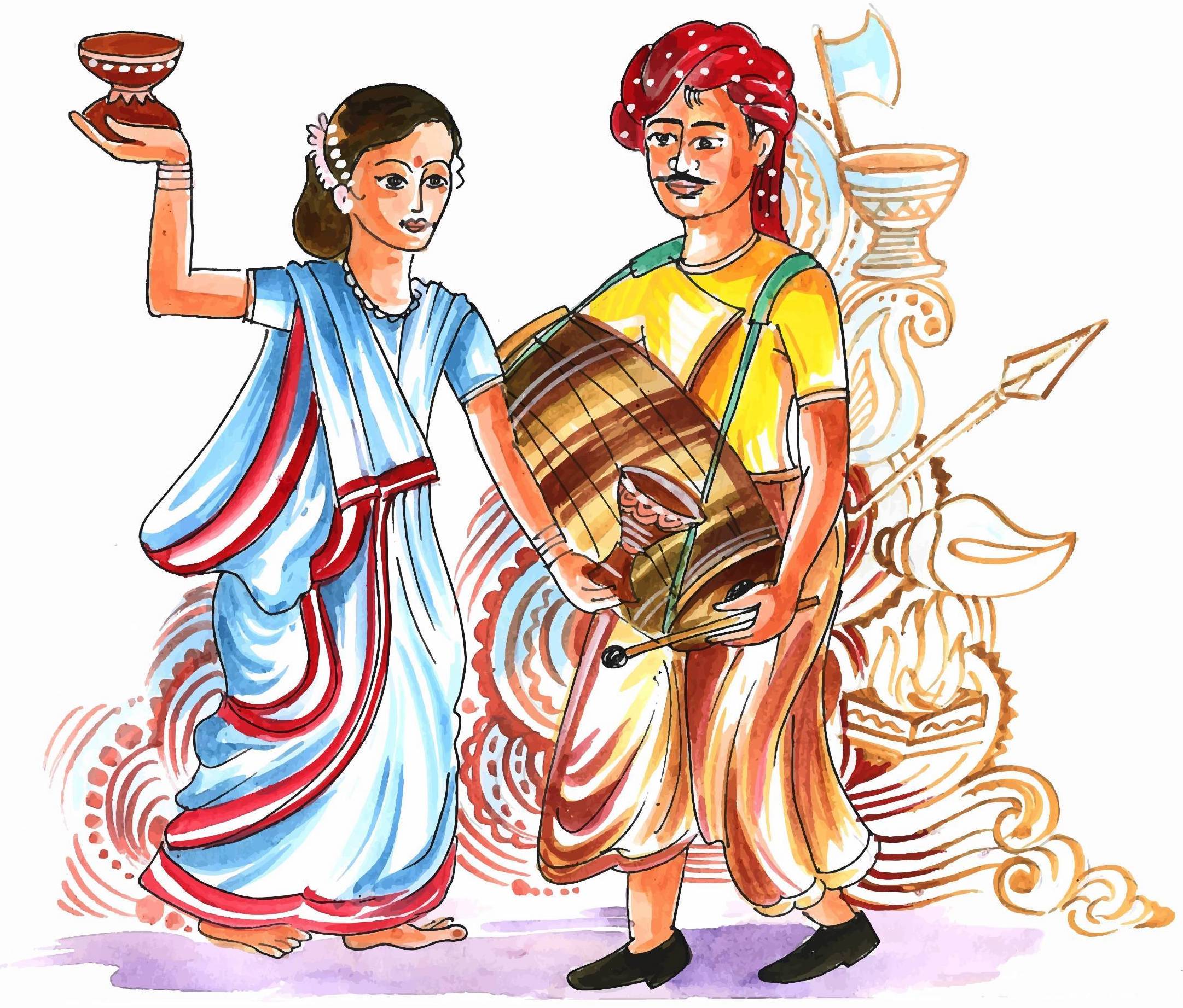 Performing Arts
and Cultural Expression
Performing Arts
and Cultural ExpressionThe festival is a stage for traditional and contemporary performing arts:
These performances help preserve regional art forms and pass them on to younger generations.
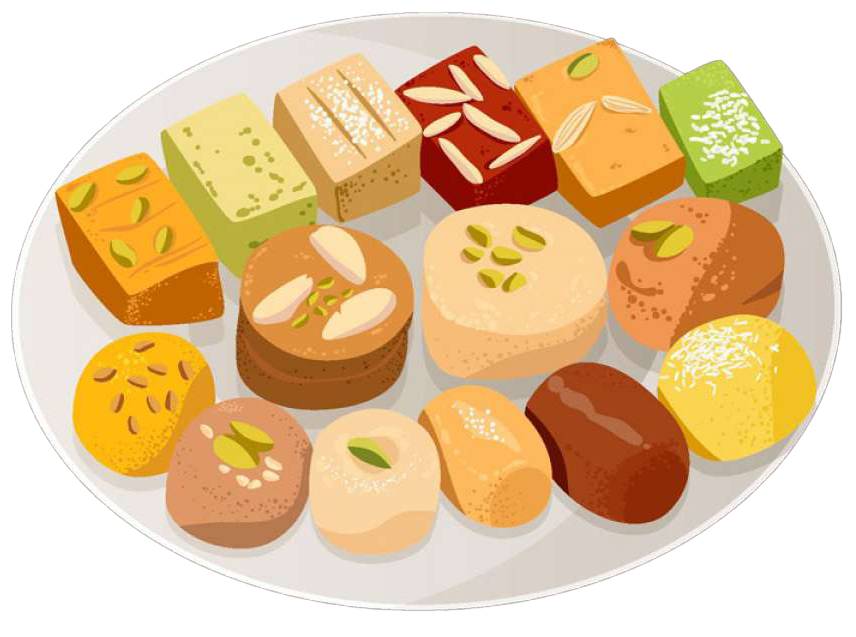 Culinary
Traditions and Shared Feasting
Culinary
Traditions and Shared FeastingDurga Puja is synonymous with bhog—a sacred meal offered to the goddess and shared with the community:
 Economic and
Social Impact
Economic and
Social ImpactDurga Puja is a major economic engine, especially in West Bengal:
It also supports social initiatives like blood donation camps, health checkups, and charity drives.
 Global Diaspora
and Cultural Identity
Global Diaspora
and Cultural IdentityBengali communities around the world—from Switzerland to London to New York to Singapore—organize Durga Puja in community halls:
 Spiritual and
Emotional Resonance
Spiritual and
Emotional ResonanceDurga Puja is deeply personal. It symbolizes:
Immerse yourself in the splendor of Durga Puja, a vibrant festival of devotion, tradition, and celestial grandeur.
Immerse yourself in the splendor of Laxmi Puja, a vibrant festival of devotion, tradition, and celestial grandeur.
Saraswati Puja is a Hindu festival dedicated to Goddess Saraswati, the divine embodiment of knowledge, wisdom, music, art, and learning. Celebrated most prominently on Vasant Panchami, it marks the beginning of spring and symbolizes the awakening of nature and intellect. Students, teachers, artists, and musicians worship the goddess to seek clarity of thought, creativity, and academic success.
In Hindu mythology, Saraswati represents the cosmic energy that transforms chaos into order. She is believed to have emerged during creation as the force of knowledge and harmony. Key mythological associations include:
Brahma, the creator, who invoked Saraswati to bring structure and wisdom to the universe.
Her depiction in the Vedas, especially the Rigveda, where she appears as both a river and a symbol of flowing knowledge.
Her role as the source of music, arts, and scholarly pursuits, represented by her veena, scriptures, and swan.
These stories highlight her as the guiding light behind learning, creativity, and enlightenment.
Saraswati Puja is celebrated on Vasant Panchami, which falls in the Hindu month of Magha (January–February). The date shifts each year based on the lunar calendar. A typical celebration schedule includes:
Idol installation, decoration with yellow flowers, and invocation rituals.
Offerings of fruits, sweets, and traditional dishes like khichuri.
Students place books, pens, instruments, and tools of learning before the goddess.
Cultural programs, devotional music, and community gatherings.
Invoking the goddess into the idol or image.
Offering flowers while chanting mantras.
A devotional ceremony with lamps and music.
Students refrain from using their books or tools for the day as a mark of respect.
Devotees wear yellow and offer yellow flowers and sweets, symbolizing purity and spring.
Schools and communities host music, dance, art exhibitions, and recitations.
 A Festival of
Learning and New Beginnings
A Festival of
Learning and New Beginnings✨ A Sacred Start to the Journey of Knowledge Saraswati Puja is celebrated as a moment where learning begins with devotion. It marks the day when knowledge is honored not just as an academic pursuit, but as a meaningful, spiritual beginning.
A Celebration of
Art, Music & CreativitySaraswati Puja is not only a festival of learning — it is a vibrant celebration of the arts. The day honors the goddess who inspires music, dance, literature, and every form of creative expression. It reminds communities that creativity is a sacred gift meant to be nurtured and shared.
By celebrating art, music, and creativity, Saraswati Puja reinforces a timeless truth. Knowledge is complete only when it inspires expression.
A Festival That
Brings People TogetherSaraswati Puja is more than a religious celebration — it is a day that strengthens relationships, builds community spirit, and brings people closer through shared devotion and joy. The festival becomes a reminder that learning and culture flourish best when supported by a united community.
Culinary
Traditions and Shared FeastingSaraswati Puja is synonymous with bhog—a sacred meal offered to the goddess and shared with the community:
Economic and
Social ImpactSaraswati Puja is a major economic engine, especially in West Bengal:
It also supports social initiatives like educational Support, book donation drives camps, health checkups, and charity drives.
Global
Diaspora and Cultural IdentityBengali communities around the world—from Switzerland to London to New York to Singapore—organize Saraswati Puja in community halls: